Science is commonly understood as a search for truth. In modern societies, science enjoys a special status because it claims to be objective and empirical. Scientific knowledge is produced through systematic observation, formulation of hypotheses, experimentation, and verification. Conclusions drawn by science are considered reliable, though always provisional and open to revision. Because of this method, science is often seen as neutral, value-free, and universal.
Cell as Basic Unit of Life
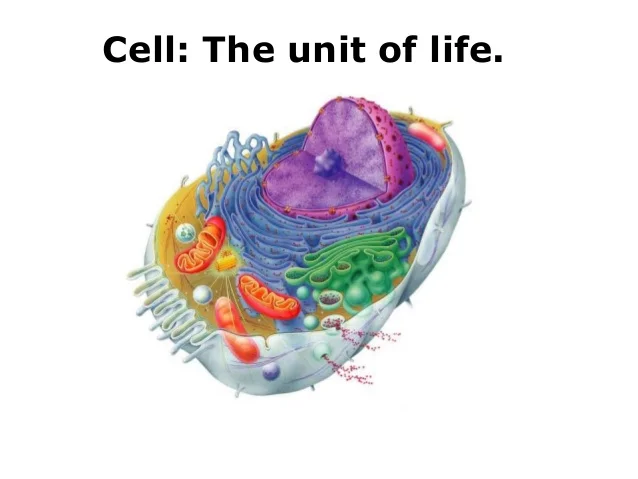
Life at the biological level begins with the cell, which is the basic structural and functional unit of life. All living organisms grow, reproduce, repair, and decay through cellular processes. Every human being begins life as a single fertilized cell in the mother’s womb. From this single cell, complex tissues and organs develop. Stem cells further show the regenerative capacity of life. Genes and DNA store biological information and transmit inheritance across generations.
Science Itself is Social Institution

However, life is not only biology. Human life also involves ideas, beliefs, values, power, language, and meaning. Science itself is a social institution. It does not operate in isolation from society. Scientific research depends on hypotheses, and hypotheses are framed within social, cultural, and political contexts. Therefore, science can reflect bias and power relations.
The Science of Race And Gender
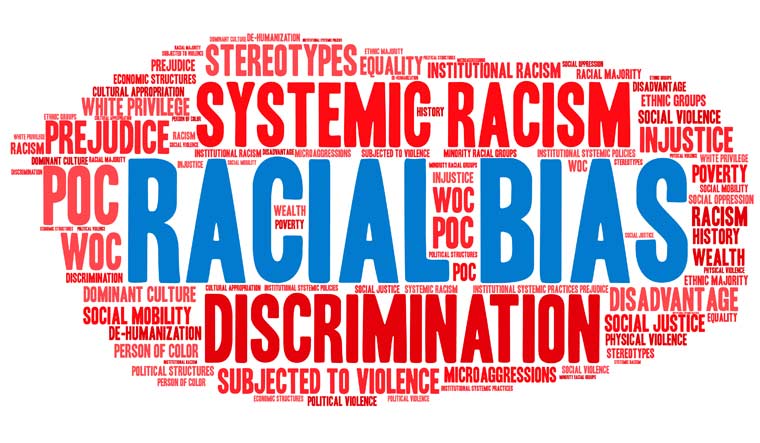
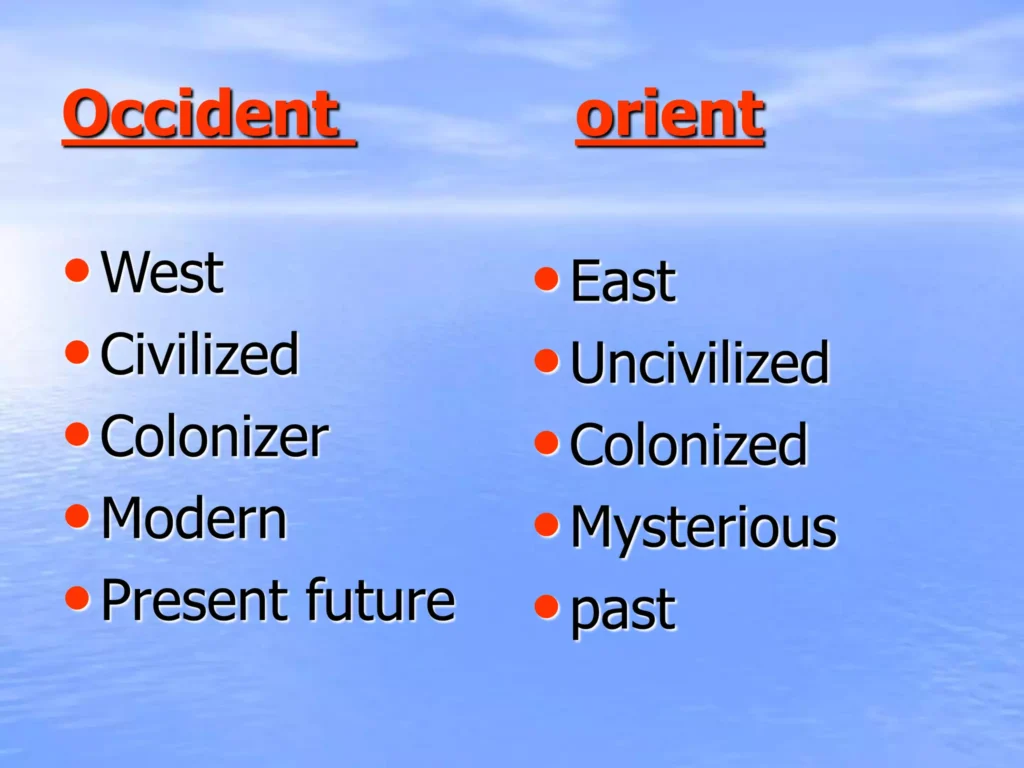
Historically, science has been used to justify social hierarchies. Scientific arguments were once used to claim the biological inferiority of women and to support racism and colonialism. Genetic theories were misused to justify eugenics and racial classification, especially during the Nazi period. These examples show how biology can be transformed into ideology.
Thomas Kuhn And The Demystification of Science
Thomas Kuhn, in his book The Structure of Scientific Revolutions, challenged the traditional image of science as a steady accumulation of truth. He argued that science develops through paradigms. A paradigm is a shared framework of theories, methods, assumptions, and values accepted by the scientific community at a given time.
Kuhn explained three stages of scientific development. The pre-paradigm stage is marked by lack of consensus and competing explanations. The paradigm stage, or normal science, begins when one framework becomes dominant. Scientists work within this paradigm and solve problems defined by it. Anomalies are often ignored. The post-paradigm stage emerges when anomalies accumulate and the paradigm fails, leading to crisis and scientific revolution. A new paradigm replaces the old one.
Kuhn’s theory shows that science relies more on paradigms than on absolute truth. Scientific knowledge is historical, contextual, and socially embedded. This insight helps us understand how biological ideas can be used ideologically.
Biology Versus Ideology
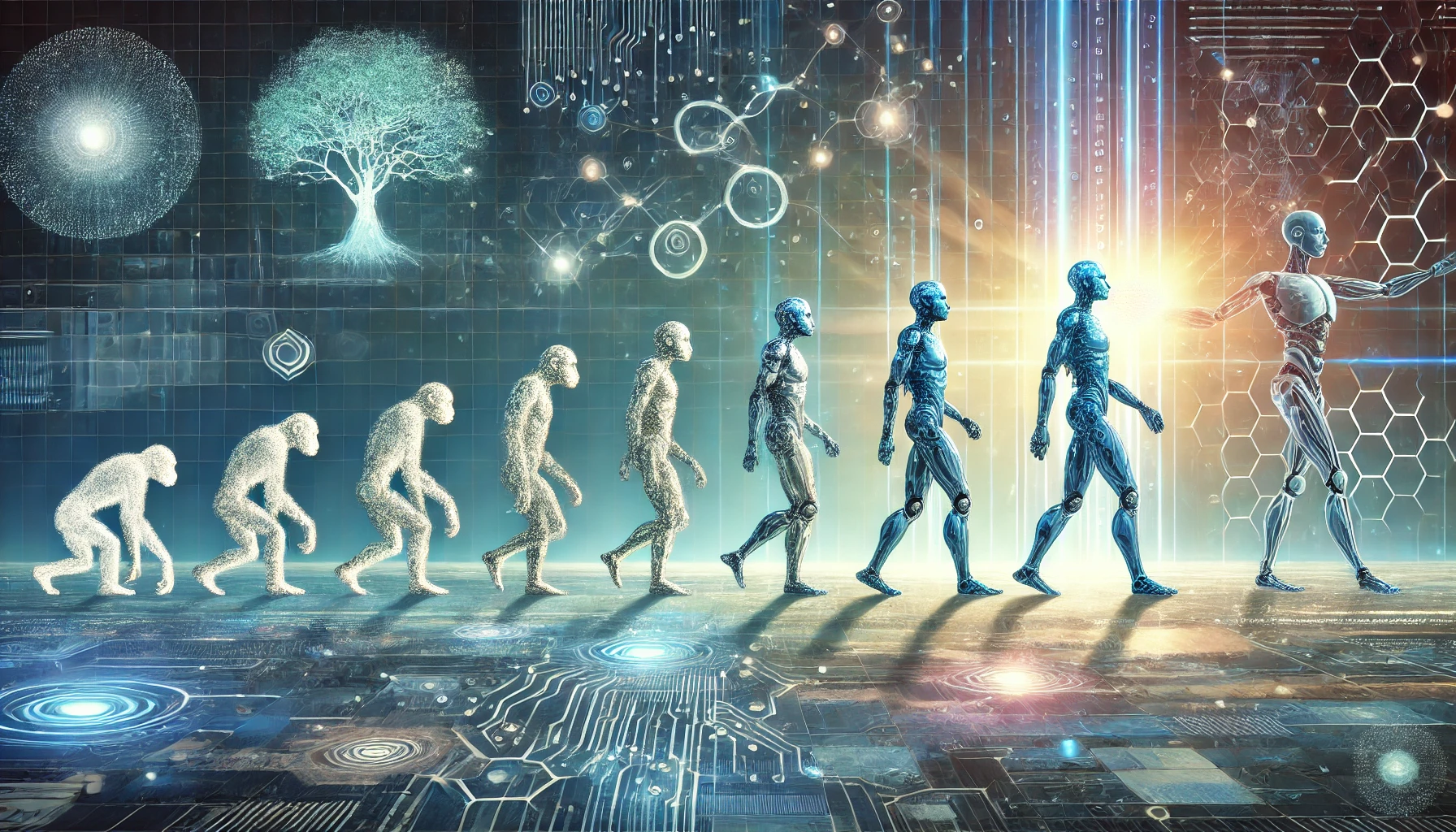
The interaction between biology and ideology becomes clearer when we examine how biological theories were applied to society. Charles Darwin’s theory of evolution explained biological change through natural selection, variation, and mutation. Later, Herbert Spencer applied these ideas to society, giving rise to Social Darwinism. Concepts like survival of the fittest were used to justify inequality, capitalism, patriarchy, and colonial domination. Thomas Malthus argued that starvation was a natural outcome of population growth. Adam Smith’s invisible hand also reflected competitive logic similar to natural selection.
Power And Ideological State Apparatus ( ISA)
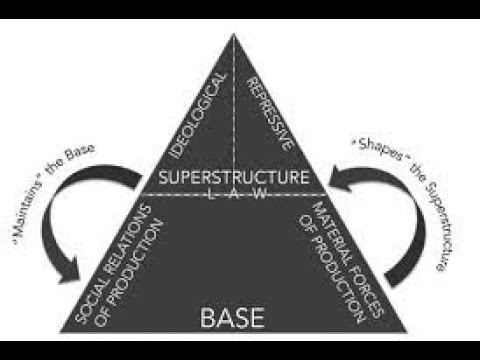
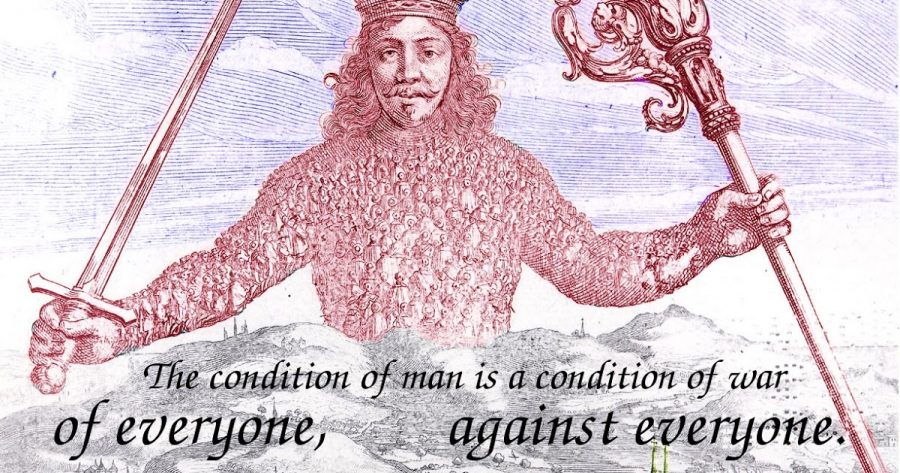
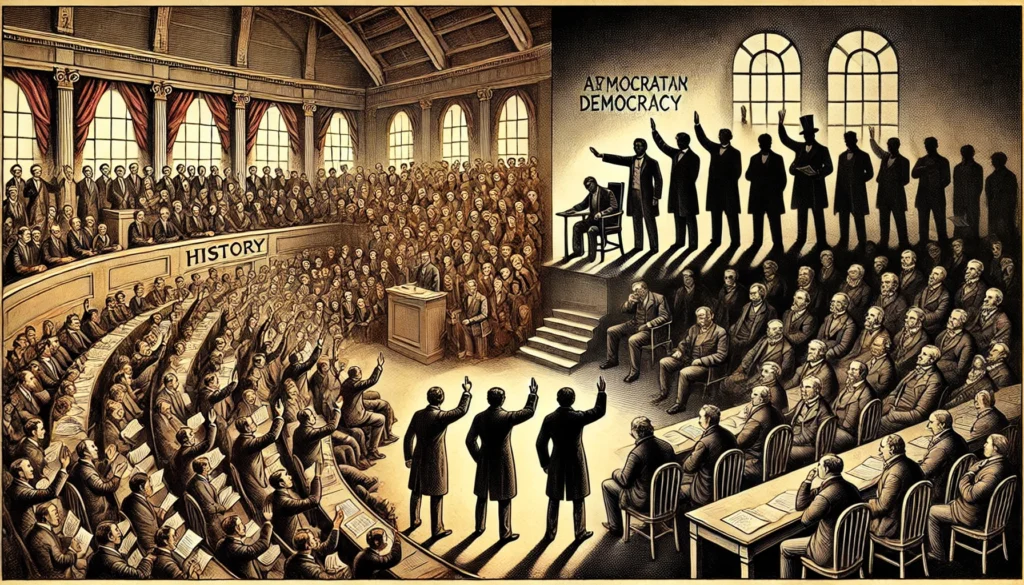
Science can function as what Louis Althusser call an Ideological State Apparatus (ISA). By claiming authority over truth, science shapes how people think, classify themselves, and accept social arrangements. Modern power operates not only through force but through knowledge and discourse. As the saying goes, the real battlefield lies in human minds.
In modern societies, science has partly replaced religion and ethics as the ultimate source of legitimacy. Yet, despite its authority, science remains political and imperfect. Its claims to neutrality often hide power relations.
Biological theories about male and female behavior in animals influenced gender roles in society, reinforcing inequality. Applying biological logic directly to society without ethical reflection causes injustice.
Holistic Views And The Need For Balance
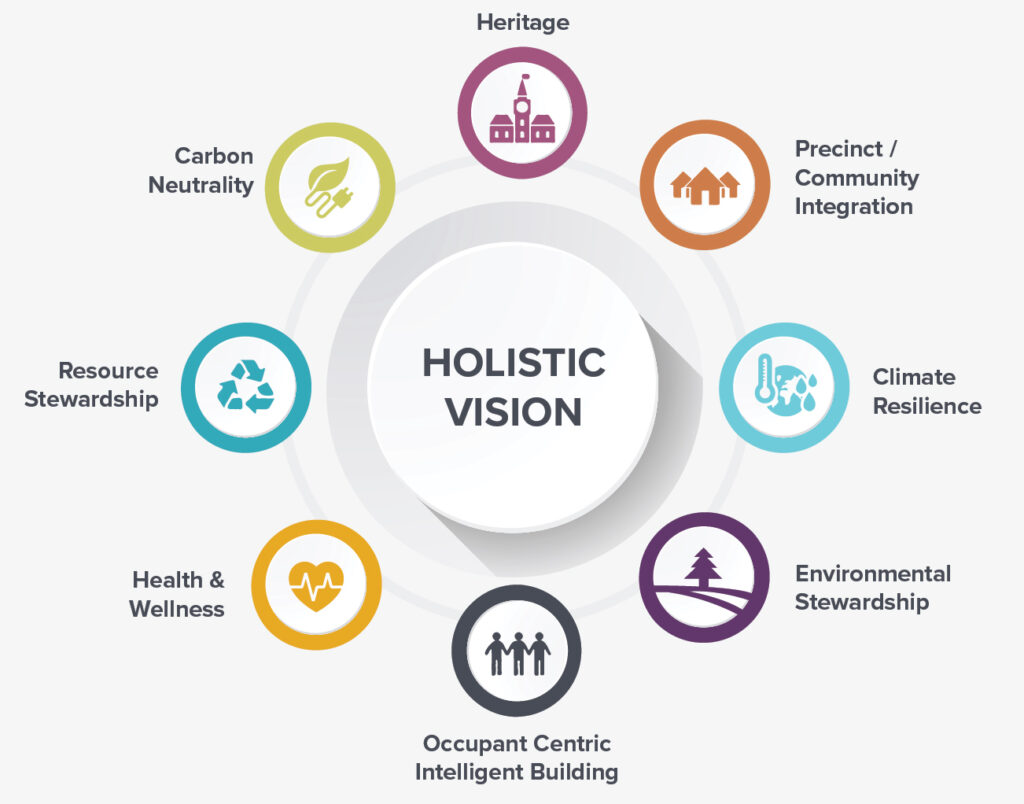
Life can be understood as chemistry plus information, but also as power, truth, and discourse. A purely scientific or purely mystical worldview is insufficient. Balance is essential. Human existence lies between natural forces and social pressures.
In conclusion, the debate between biology and ideology highlights the responsibility of maintaining balance. Science must be guided by ethics, justice, and human values. Biological knowledge should be used to reduce suffering, promote equality, protect the environment, and uphold human dignity. Maintaining balance between science and ideology is essential for the survival of humanity and life itself.