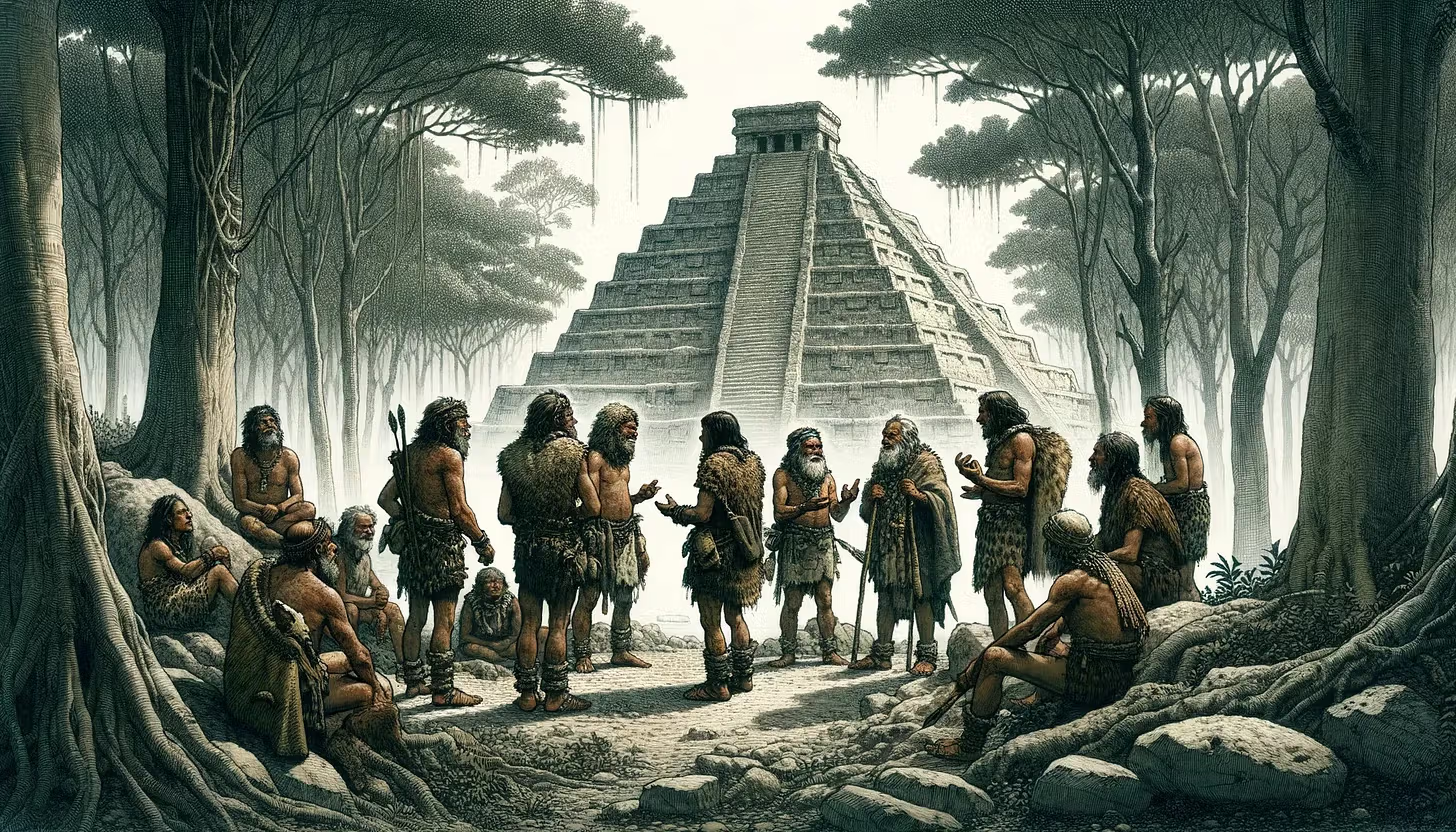
Human history is a long and emotional story of how people came together to build something larger than themselves—something we call a civilization. A civilization is not just a group of people living in one place. As Arnold Toynbee said, it is “a culture writ large.” It is a human construction made of shared memories, shared hopes, and shared ways of life. Blood, language, religion, and everyday customs once united the Greeks. But even these can change, because humans can redefine who they are and who they want to become. This ability to evolve gives civilizations their intellectual, diplomatic, and political energy.
River Based Civilizations
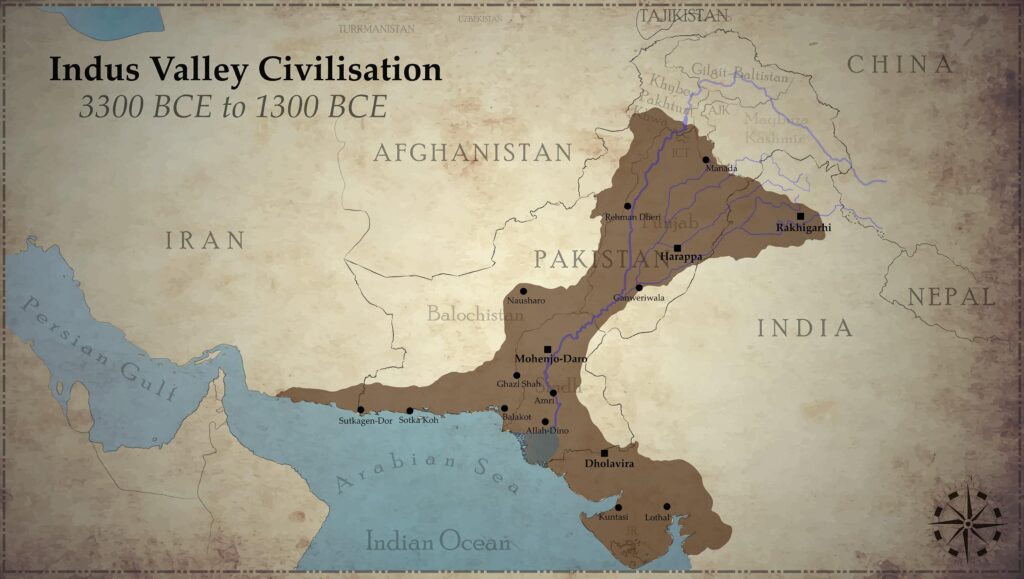
Some of the earliest civilizations were born beside great rivers—the Nile, Tigris, Euphrates, Indus, Ganga-Yamuna, and the Yellow River. From these ancient waters came writing, trade, cities, and new ways of thinking. Over centuries, they grew into the world’s great civilisational families: Sinic (Chinese and Japanese), Indic (Indian and Hindu), Mesopotamian (Sumerian), Egyptian, Classical Mediterranean, Islamic, Western, and Orthodox Russian. Many scholars also speak of an African civilisation, recognising its deep cultural roots.
Arrested Civilizations
Toynbee even described the Jewish civilization as an “arrested civilization,” meaning it grew out of the older Syriac civilization but evolved differently. His idea reminds us that civilizations do not follow one straight path. Some rise fast, others decline, some pause, and some transform so deeply that they become almost new creations
Orient ( East) Vs Occident( West)
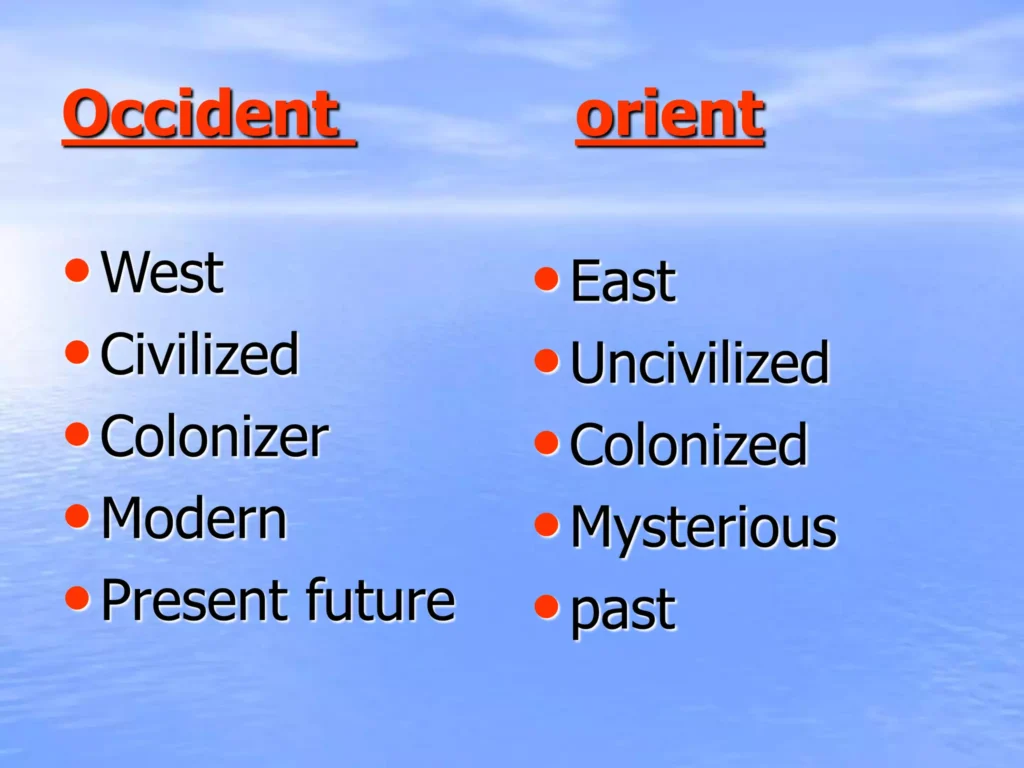
Our language for civilisations is also shaped by where we stand. The terms East and West are widely used, but they are confusing. East of what? West of where? These are not fixed directions like North and South, which have the poles as universal reference points. Using East and West often becomes ethnocentric, because it places one region at the centre and others on the margins replicating the seeds of orientalism vs Occidentalism
History AND Civilizations
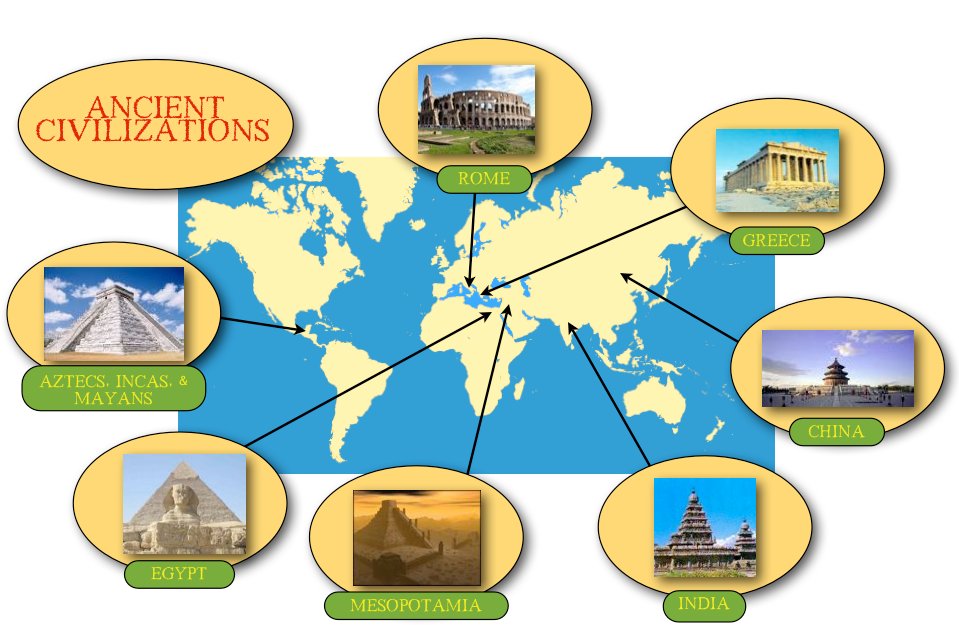
Before AD 1500, civilizations interacted through trade, travel, war, stories, and diplomacy. Ideas, religions, and technologies flowed along the Silk Road and across the seas. These encounters shaped the world long before modern borders existed. Later, the rise of the West changed global power. Islam and Byzantium had once dominated vast regions, but Europe’s growth in cities, commerce, and trade brought a new era. History then took a dramatic turn. Regarding the French Revolution of 1789 , historian R. R. Palmer wrote: “The war of kings was over; the war of peoples had begun.” The Russian Revolution of 1917 added another shift. The world now faced conflicts not just between nations, but also between ideologies—fascism, communism, and capitalism
Multicivilizational World system
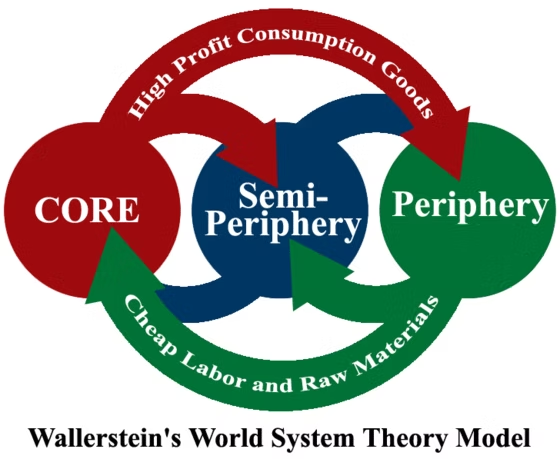
Today we live in a fully multicivilizational world system. Civilizations interact every second—through media, diplomacy, markets, migration, and culture. Sometimes they cooperate, sometimes they clash. Writers and institutions like The New York Times, The Washington Post, and the Congressional Record debate whether we live in a Pax Americana, a free-world order, or a world divided into “the West and the rest.” In this muti civilizational world order or disorder , there are core to periphery to semi periphery divisions as per Immanuel Wallerstein
Civilizations And We
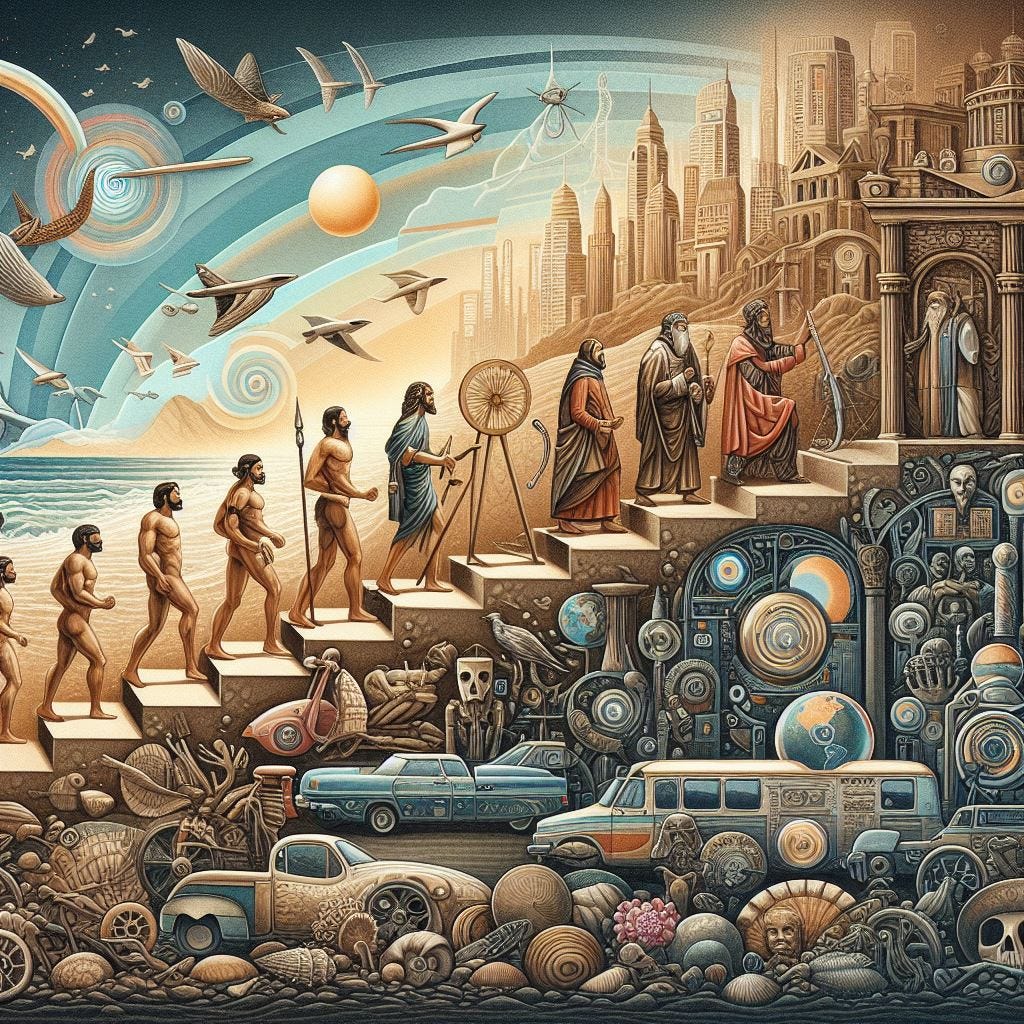
Yet one truth remains powerful and simple: civilisations are human constructions. They grow when people choose curiosity over fear, dialogue over silence, and courage over division. They survive when we learn to live with difference, and they flourish when we remember that all civilisations—no matter how ancient or mighty—were built by human hands and human hearts.
Leave a Reply