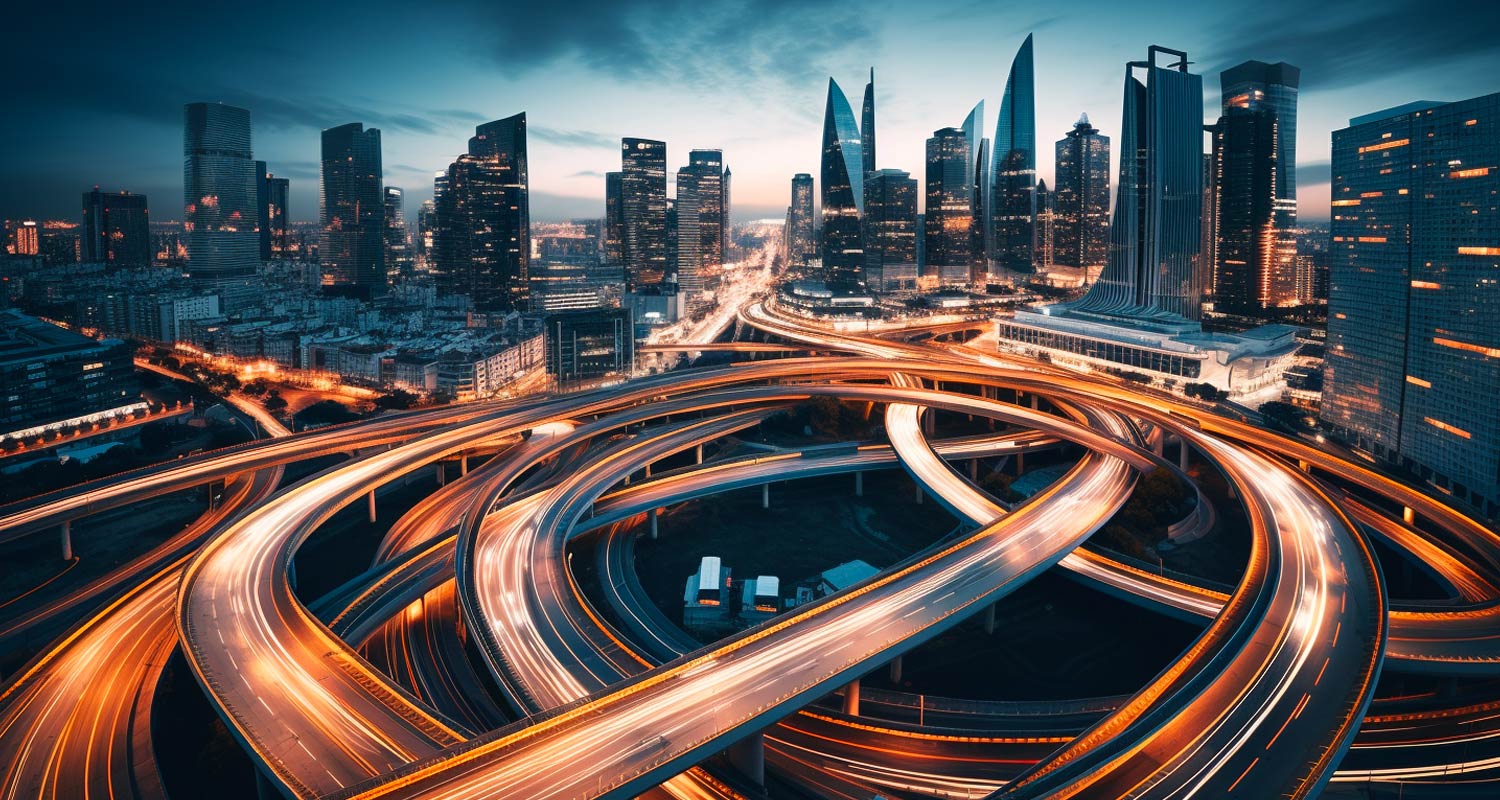
A central question of our time is whether the world is slowly moving toward a universal civilisation. This idea suggests that as societies modernize, they begin to share certain Common values, habits, and lifestyles. But does modernization automatically mean westernization? And even if countries adopt modern systems, will their cultures also become the same?
Understanding the Idea of a Universal Civilization
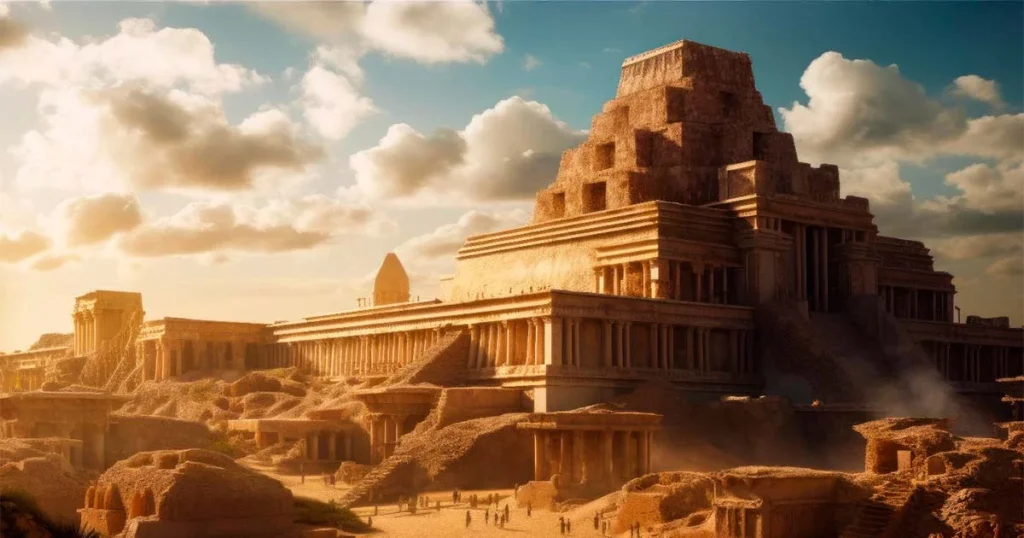
A universal civilisation does not mean everyone behaves, speaks, or eats in the same way. It simply means that there are certain values that almost all human beings accept—such as the belief that murder is evil, that innocent people should not suffer, and that fairness is important. These values are not Western or Eastern; they are basic human values and found in all societies from primitive to postmodern.
Yet the modern world is full of contradictions. In many places, young men wear jeans, drink Coke, speak English slang, and listen to rap music—but also deeply follow their religious traditions. Some may even mix modern lifestyles with violent goals. This shows that modern habits do not erase cultural identity.
The Homogenization of the World

Many thinkers argue that the world today is being flooded with Western products and ideas. Many thinkers say the world today is becoming a giant “copy-paste” of Western culture. There are some colourful terms to describe this mimicry like “Coca-colonisation,” “Mc-Donalisation,” or “hot-dog culture”, Pop -Corn Intellect or Capri or Sandwich culture to describe how global life is becoming fast, shallow, and similar everywhere. Today’s young generation even faces what some call a “two-minute Maggi mentality”—a desire for everything quick and easy.
Cities, malls, advertisements, movies, and even celebrations across the world are beginning to look alike. This is the process of homogenisation.
Language and the Global Mind
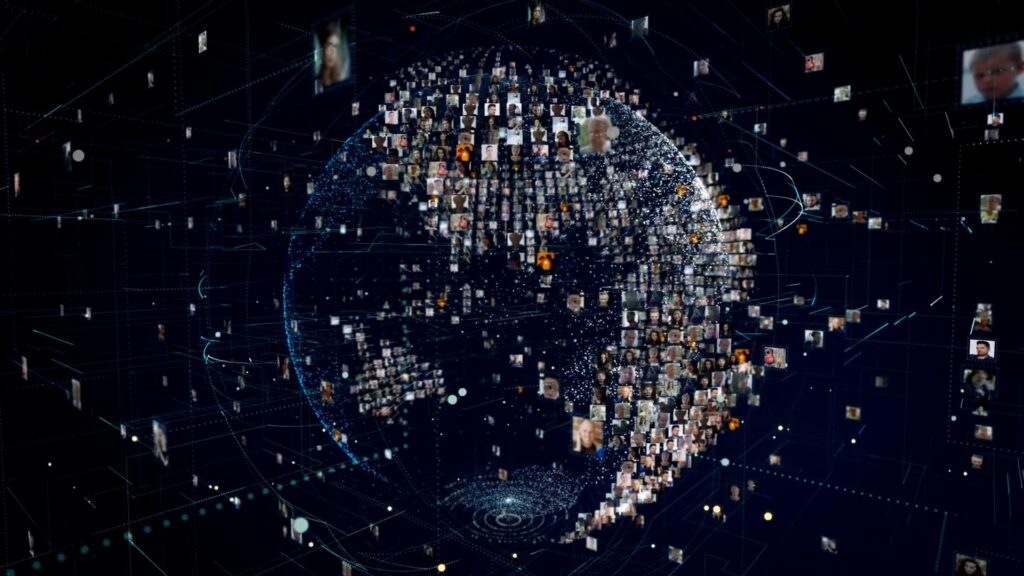
Language plays an important role in shaping identity. English has become the world’s most common link language. However, English itself has changed. In India, Africa, and the Caribbean, it has developed local flavours. Even within India, debates around language show how deeply people connect identity with speech. Maharashtra’s pride in Marathi or discussions between Hindi and non-Hindi speakers show how strongly local cultures resist uniformity
Western Roots of Modernity
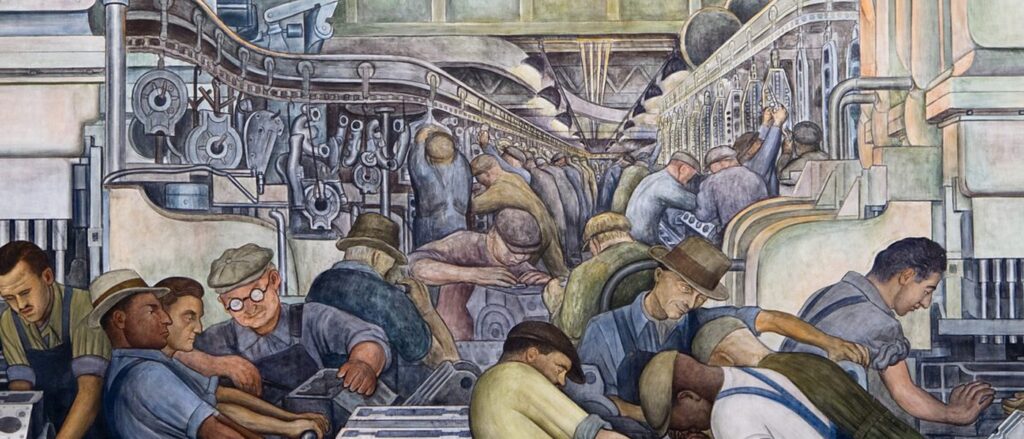
Many of the ideas that define the modern world—like rule of law, individual rights, separation of religion and state, representative institutions, and even scientific thinking—have roots in the Western experience. These ideas spread across the world through trade, education, and technology.
But acceptance of these ideas varies. Some societies welcome them, some modify them, and others resist them strongly.
Different Responses to the West
Societies do not react to Western modernity in one single way. Their responses usually fall into a few categories:
- Rejectionism: Complete refusal of Western influence.
- Kemalism: The approach of Mustafa Kemal Atatürk—embrace both modernization and westernization fully.
- Reformism: Accept modern science and education but preserve cultural identity. Think of Sir Syed Ahmed Khan or Raja Ram Mohan Roy.
- Revivalism: Returning to older traditions as a cultural shield.
- Extremism or terrorism: A violent reaction that comes from identity fears and alienation.
The Crisis of Identity
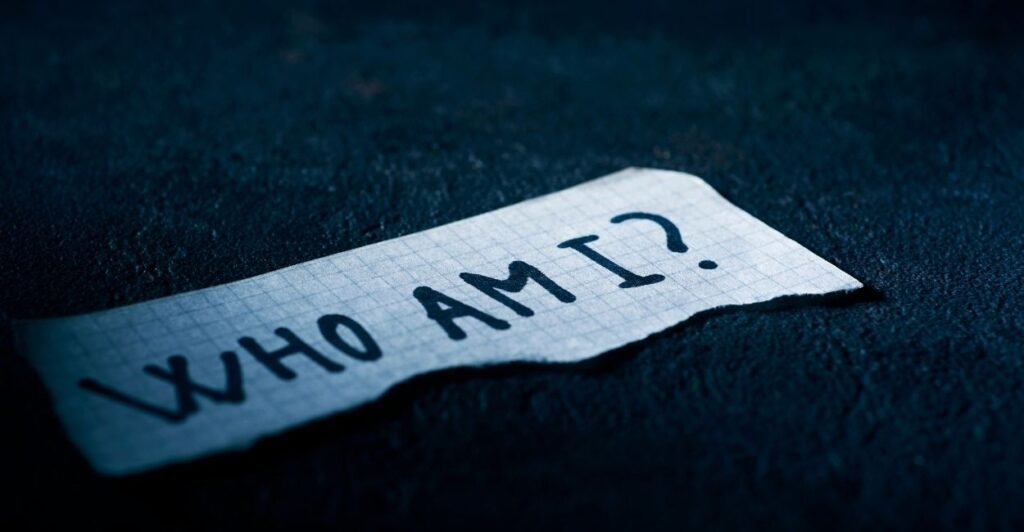
Modernisation definitely brings benefits—economic growth, political structures, new opportunities, and stronger states. But it also creates stress. People feel more isolated in modern cities. Traditional communities weaken. Many individuals begin to feel lost in a fast-moving, impersonal world.
This produces an identity crisis.
People ask:
Who am I? What is my culture? Where do I belong?
As a result, societies are witnessing a strong religious and cultural resurgence. Modern people, despite being globally connected, are searching for roots, meaning, and belonging.
Conclusion
The world may be modernizing at the same time, but it is not becoming the same. People may carry the same smartphones, eat the same fast food, or use the same social media, but their deeper identities remain different. Perhaps the real truth is this- Modernization is universal, but civilisation is not. Global life may make us look alike, but history, memory, faith, and culture still shape who we are.
Leave a Reply