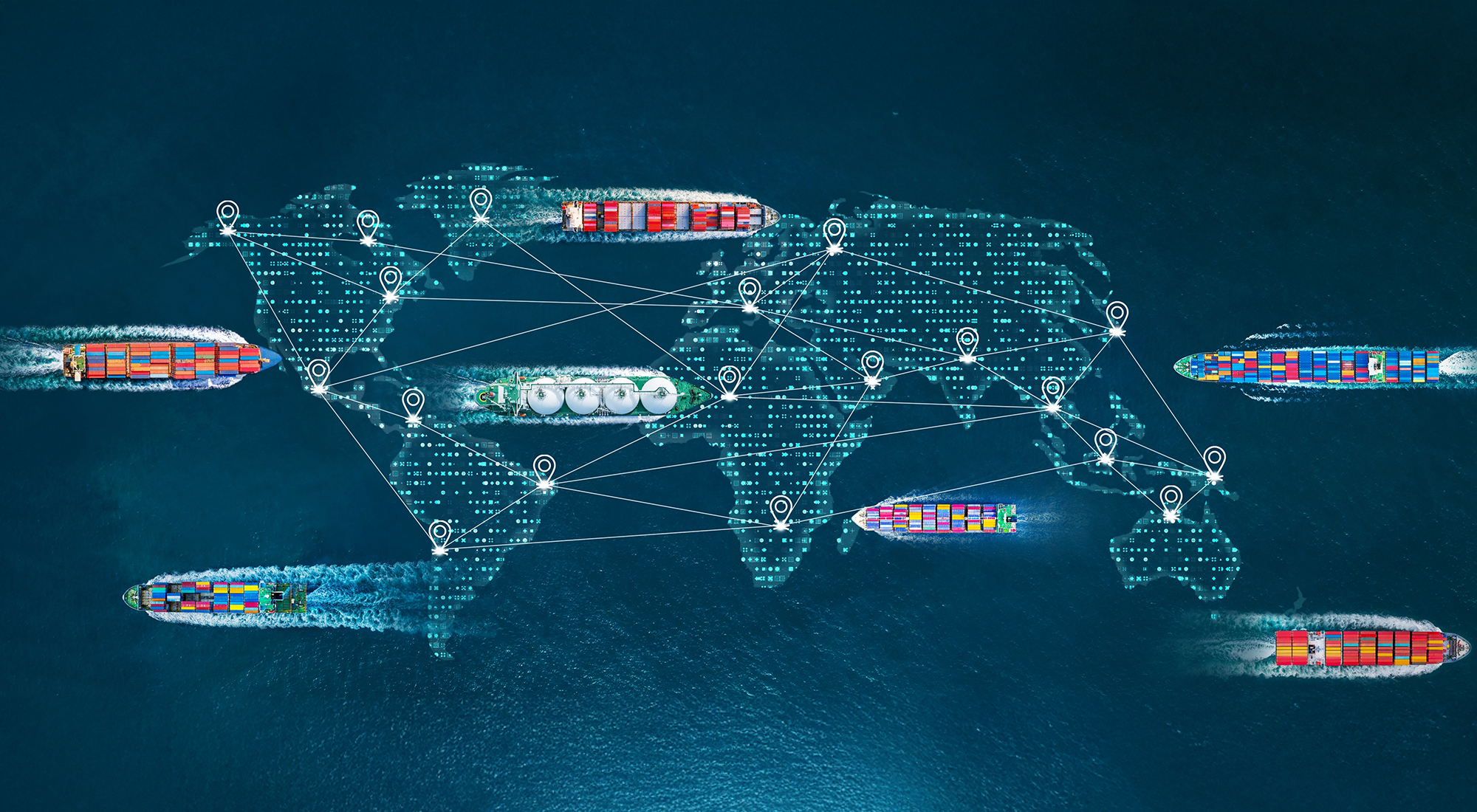
The world we live in is changing before our eyes. The balance of power that once seemed fixed is now moving, slowly but surely. For centuries, the West stood at the centre of global affairs—powerful, confident, and dominant. But the world of the 21st century is no longer a place where only one civilization leads. New voices are rising, old cultures are returning with pride, and the global order is being rewritten in real time.
THE FADING OF THE WEST: POWER, CULTURE, AND A GRADUAL DECLINE
The Western world achieved an extraordinary level of control in the last few centuries. It owned and operated the global banking system, managed most of the world’s hard currencies, and became the primary customer and producer of finished goods. Western nations dominated international capital markets, led scientific research, pioneered modern education, and mastered the aerospace and weapons industries. Their moral influence shaped societies across continents. Their navies-controlled sea lanes, their companies controlled global communication, and their armies could project power anywhere in the world
History Never Stands Still
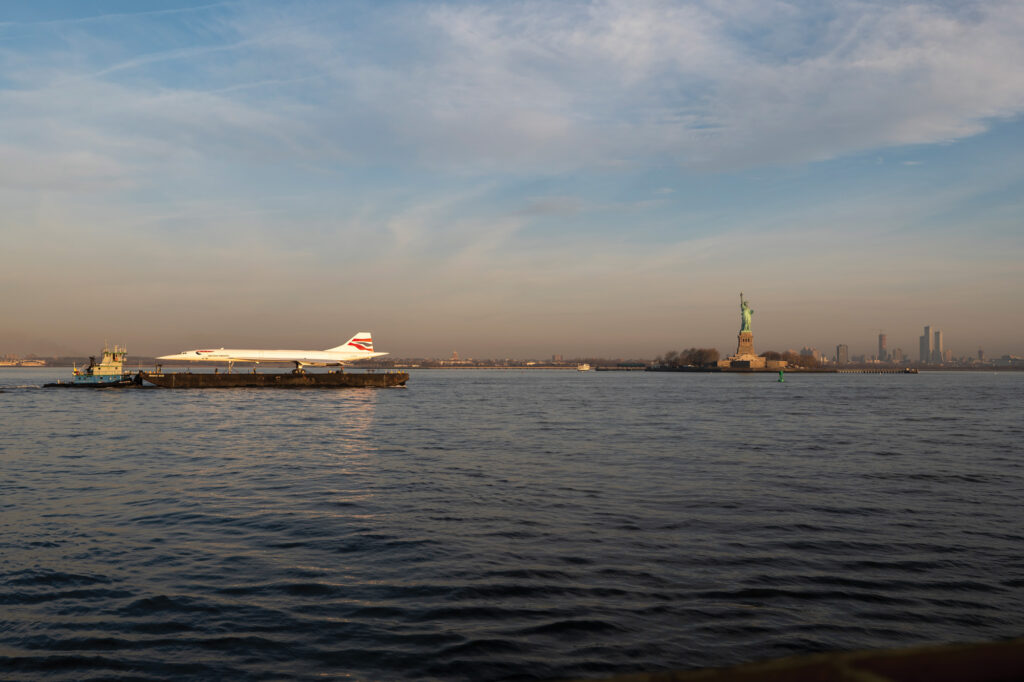
In recent decades, the rise of Japan, China, and India has quietly but clearly signaled the beginning of a shift. The dominance of the West is not vanishing overnight—it is fading slowly, like a sun setting behind the mountains. There are moments of pause, moments when the West reasserts itself, and moments when it seems to surge again. Yet the overall movement is unmistakable: a steady redistribution of global power.
Joseph Nye once explained the idea of hard power, soft power, and smart power—the clever mix of force and influence that nations use to shape the world. Today, many non-Western societies are learning to use this combination more confidently, more strategically, and more independently than ever before.
The global order built around NATO, the Warsaw Pact, and Western economic might is now confronted by new centers of strength—new economies, new militaries, and new cultural forces.
THE GREAT RETURN: THE INDIGENIZATION OF NON-WESTERN CIVILIZATIONS
Perhaps the most powerful change happening today is not military or economic—it is cultural. Across the world, non-Western civilizations are rediscovering themselves. They are reclaiming their histories, re-centering their values, and shaping modernity on their own terms. In the 1960s, the spread of communist ideology—from Cuba to Vietnam—showed that alternative worldviews could inspire millions. Leaders like Nehru, Mao, Jinnah, Lee Kuan Yew, and Bandaranaike were educated in the finest Western institutions—Oxford, Cambridge, Lincoln’s Inn—yet they returned home to indigenize their societies. They realized that nations cannot survive on borrowed identities. Cultures must grow from their own soil. Today, that spirit has returned with even greater force
A Unique Revivalism is on
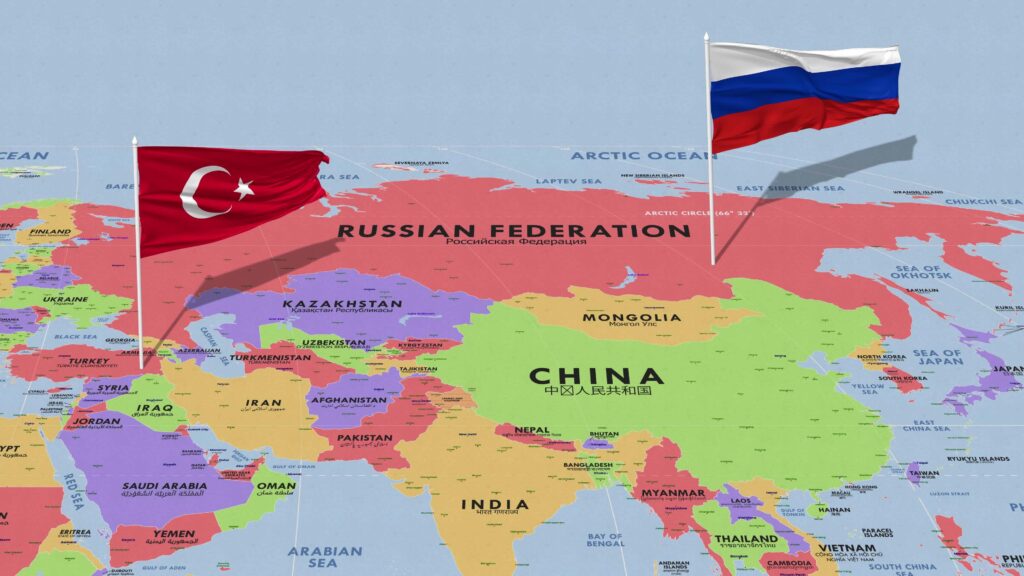
Turkey is embracing its Ottoman past, reviving pride through culture, media, and a renewed strategic ambition. Russia is turning back to Orthodox Christianity, reclaiming its old role as the “Third Rome.” Saudi Arabia, Iran, and Pakistan are all trying to shape a modern future for Islam—each in different ways, but all rooted in their own historical consciousness.
Israel – Iran And West Asia
Israel has stepped forward openly and confidently as the dominant power in West Asia, asserting itself in ways unseen in previous decades.
Meanwhile, Iran struggles with an existential internal crisis, torn between tradition and modernity. Turkey stands at a crossroads, caught between the legacy of Atatürk’s secularism and the emotional pull of Ottoman grandeur. Everywhere we look, civilizations are redefining themselves.
A NEW GLOBAL STORY
What we are witnessing is not just the rise or fall of nations. It is the rebirth of civilizations. Cultures that were once overshadowed by Western dominance are finding their voice again. They are modernizing—not by imitating the West, but by building on their own heritage. Humanity is entering a new phase of world politics—a phase where identities are strong, where histories matter, and where no single civilization can claim the center stage This shift is not only political or economic. It is emotional. It is about pride, memory, and belonging. It is the story of societies that are standing up and saying: We are here. We have our own past. We will shape our own future. And as this great transformation unfolds, the world is becoming more diverse, more complex, and, in many ways, more beautiful—because civilizations are not fading away; they are awakening.
Leave a Reply