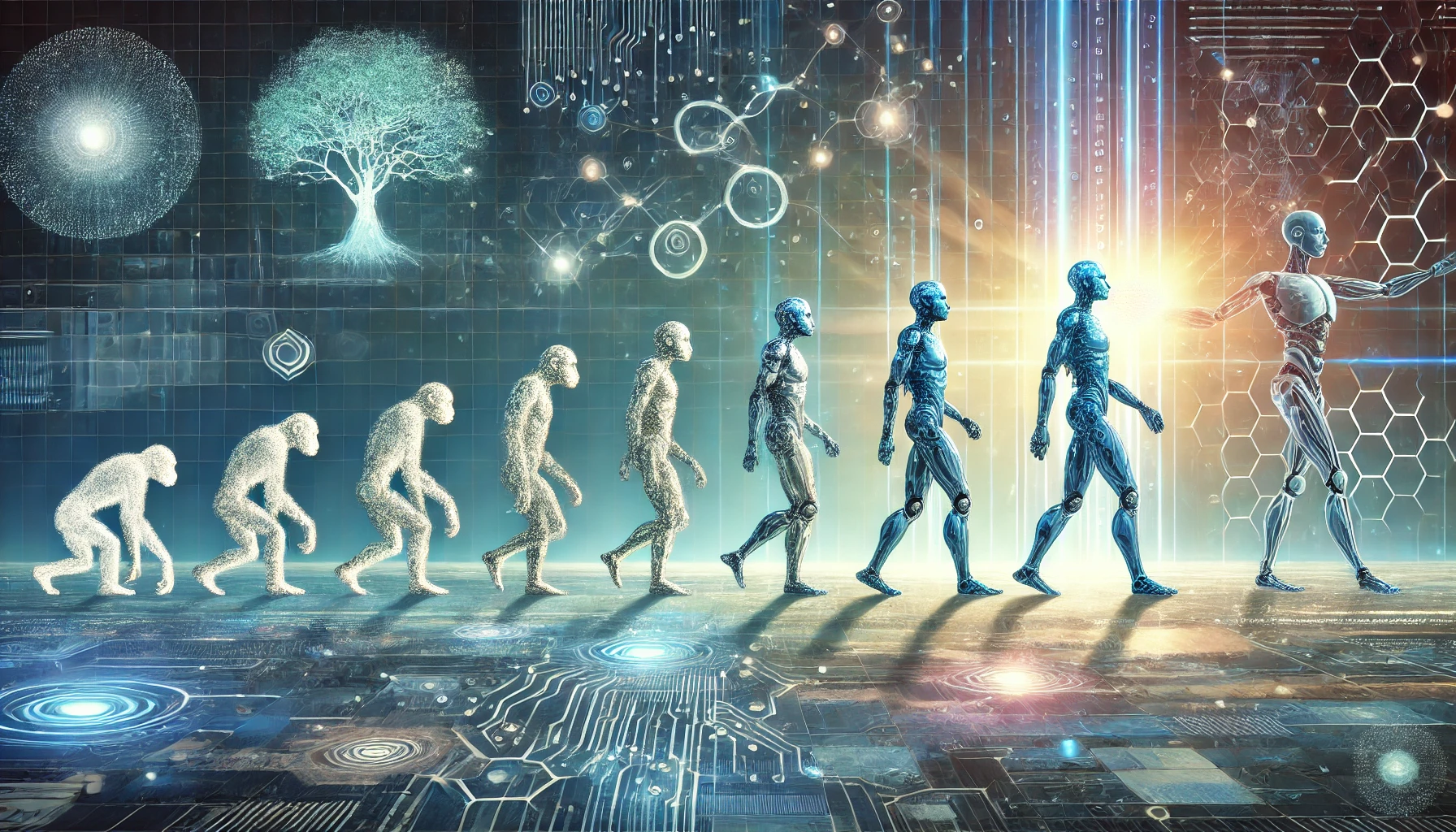
We are living in a fragmented society where knowledge is now acting as snickle to control and dominate us with the power of so-called multilayered truth under the new avatar of artificial intelligence. Gone are the days of organic world -we are increasingly being controlled by AI in our day-to-day life from shop to church.
The New Nexus
Nexus by Yuval Noah Harari explores the remarkable journey of human information networks and how they have shaped the world we live in. From the earliest stone tools to the age of artificial intelligence, Harari traces how the collection, control, and interpretation of information have guided societies, influenced power, and connected humanity across time and space. At its heart, the book examines the relationship between information, truth, and power, showing how knowledge can unite, manipulate, and transform human life.
Information and Truth

Harari begins by asking fundamental questions: what is information, and how does it relate to truth? He challenges the simple notion that information automatically equals wisdom. Throughout history, information has often been a tool or a weapon, used to influence individuals and societies. From sacred texts like the Bible, Quran, and Vedas to revolutionary works like the Communist Manifesto and even modern search engines, information has shaped ideologies, institutions, and civilizations
Stories and ‘WE’

The book highlights the human ability to tell stories, create documents, and manage complex systems, showing how these networks of information guide collective understanding. Stories connect people across generations, forming myths, laws, and social norms. Bureaucracy and documentation formalize these networks, balancing the pursuit of truth with the exercise of authority. Harari also examines our recurring struggle with errors, infallibility, and self-correction—from the canonization of religious texts to the evolution of science and law—demonstrating that the pursuit of knowledge is both fragile and ongoin
Democracy, Populism, and Totalitarianism
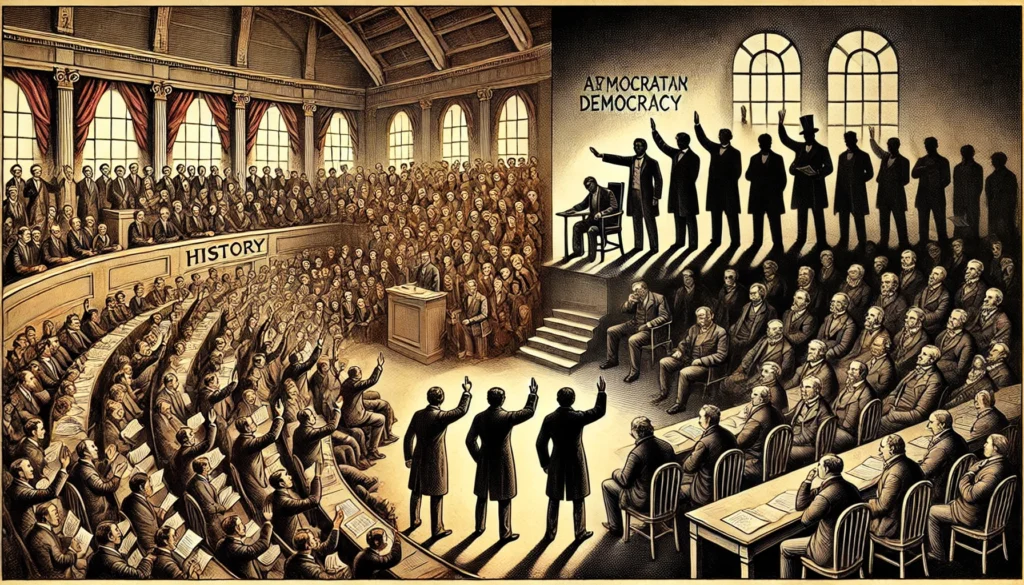
A central theme of Nexus is the tension between democracy, populism, and totalitarianism. Harari traces the evolution of decision-making, revealing how information can empower citizens or be exploited to control them. Historical and modern examples—from early democratic assemblies to mass media-driven populism—show that technology magnifies both human potential and the risks of deception
Reflection on The Present And Future

Ultimately, Nexus is a reflection on the present and future. As AI emerges as a new form of intelligence, capable of reshaping the flow of information, Harari asks readers to confront urgent ethical and existential questions. Information is neither inherently truth nor inherently dangerous; it reflects human choices. By understanding our history of information networks, we can navigate the AI era wisely, ensuring that knowledge nurtures humanity rather than threatens it.
Leave a Reply